Mobileverso
Feed

Nickname list

All the site's nicknames in alphabetical order

Follow us on

Email: mobileverso@gmail.com

Privacy & Cookie PolicyTerms of UseData deletionHomepage

© 2026 Mobileverso

Português·English·Español·Bahasa Indonesia·ไทย·Tiếng Việt·বাংলা·Filipino·Русский·हिन्दी

Mobileverso has been online since 2020 and is one of Brazil's top references for Free Fire and for nick, symbol, font, bio, sensitivity and HUD customization tools. All content is produced independently, with no affiliation to Garena. Learn more at About Us / Who We Are.

Phones for gamingGoogle
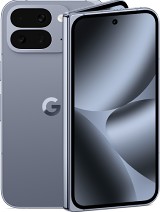
Google Pixel 10 Pro

Is the Google Pixel 10 Pro good for gaming?

100

Gaming score

Excellent for gaming

Generate sensi for this phone

Specifications

Summary

The Google Pixel 10 Pro was announced in 2025 by Google and scores 100/100 on Mobileverso for mobile gaming — excellent for gaming. Runs Free Fire at competitive level. The display is 6.3", LTPO OLED, 120Hz, 495 ppi and 2,200 nits. It packs Google Tensor G5 processor (3 nm process), PowerVR DXT-48-1536 GPU and 16 GB of RAM and storage of 128 GB, 256 GB, 512 GB and 1 TB. Battery life comes from a 4,870 mAh battery, 30W charging and 15W wireless charging. The main camera is 50 MP, handy for streamers who post gameplay with a selfie. Connectivity: 5G, Wi-Fi 5, Bluetooth 6.0, NFC, USB Type-C 3.2. It has a gyroscope — good for motion aiming in shooters and steering in racing games. The phone weighs 207 g and measures 152.8 x 72 x 8.5 mm. It ships with Android 16, up to 7 major Android upgrades. For Free Fire, the Google Pixel 10 Pro runs competitive — runs in a competitive setup (1,107,978 AnTuTu points, 120Hz screen) — suitable for esports. In other popular games: Genshin Impact runs competitive; Call of Duty Mobile runs competitive; PUBG Mobile runs competitive. Top tier — runs Genshin Impact, PUBG and CoD Mobile on high without breaking a sweat.

How the gaming Score is calculated▼

Other similar Google phones

Search another phone

Previous

Google Pixel 10

Next

Google Pixel 10 Pro Fold

Pixel 10a

2026 · Google Tensor G4

100

Pixel 10 Pro Fold

2025 · Google Tensor G5

100

Pixel 10 Pro XL

2025 · Google Tensor G5

100

Pixel 10

2025 · Google Tensor G5

100

Pixel 9a

2025 · Google Tensor G4

100

Pixel 9 Pro XL

2024 · Google Tensor G4

100

The score is a weighted average of the device's compatibility with each of the 8 games evaluated. Each game gets a verdict (0 to 100) and a weight, and the final score is the average of those points.

  • Won't run — 0 points
  • Runs on low — 25 points
  • Runs on medium — 55 points
  • Runs on high — 80 points
  • Runs competitive — 100 points

Heavy games (Genshin Impact, PUBG Mobile, CoD Mobile) carry more weight than light games (Subway Surfers, Brawl Stars), because running the heavy one already implies handling the light one. Each game's verdict combines chipset (tier or real AnTuTu), minimum RAM, screen refresh rate and operating system.

GameVerdictWeightCalculation
Free Fire100× 1.5= 150.0
Subway Surfers100× 0.5= 50.0
Brawl Stars100× 0.8= 80.0
Roblox100× 1.2= 120.0
EA Sports FC Mobile100× 1.0= 100.0
Call of Duty Mobile100× 1.6= 160.0
PUBG Mobile100× 1.6= 160.0
Genshin Impact100× 1.8= 180.0

Display

Size
6.3"
Type
LTPO OLED
Resolution
1280 x 2856
Density
495 ppi
Refresh rate
120 Hz
Brightness
2200 nits
Protection
Corning Gorilla Glass Victus 2, Mohs level 4

Performance

Chipset
Google Tensor G5
Process node
3 nm
CPU
Octa-core (1x3.78 GHz Cortex-X4 & 5x3.05 GHz Cortex-A725 & 2x2.25 GHz Cortex-A520)
GPU
PowerVR DXT-48-1536
Memory
128GB 16GB RAM · 256GB 16GB RAM · 512GB 16GB RAM · 1TB 16GB RAM
AnTuTu
1,107,978
GeekBench
6,195
3DMark Wild Life Extreme
3,400

Battery

Capacity
4,870 mAh
Type
Li-Ion
Fast charging (wired)
30 W
Wireless charging
15 W
Details
30W wired, PD3.0, PPS, 55% in 30 min 15W wireless (magnetic), Qi2 Reverse wired Bypass charging

Connectivity

5G
Yes
Wi-Fi
Wi-Fi 5
Bluetooth
6.0
NFC
Yes
USB
USB Type-C 3.2
Headphone jack
No

Sensors & unlock

Gyroscope
Yes
Accelerometer
Yes
Fingerprint reader
Fingerprint (under display
Face unlock
No
Full list
Fingerprint (under display, ultrasonic), accelerometer, gyro, proximity, compass, barometer, thermometer (skin temperature)

Build

Dimensions
152.8 x 72 x 8.5 mm (6.02 x 2.83 x 0.33 in)
Weight
207 g
Material
Glass front (Gorilla Glass Victus 2), glass back (Gorilla Glass Victus 2), aluminum frame
SIM
· Nano-SIM + eSIM· eSIM + eSIM (8 or more, max 2 at a time; USA)
Colors
Moonstone, Jade, Porcelain, Obsidian

Cameras

Main camera
50 MP, f/1.7, 25mm (wide), 1/1.31", 1.2µm, dual pixel PDAF, OIS 48 MP, f/2.8, 113mm (periscope telephoto), 1/2.55", dual pixel PDAF, OIS, 5x optical zoom 48 MP, f/1.7, 123˚ (ultrawide), 1/2.55", dual pixel PDAF
Selfie
42 MP, f/2.2, 17mm (ultrawide), PDAF

System

OS
Android 16, up to 7 major Android upgrades
Announced
2025, August 20
Status
Available. Released 2025, August 28
Price (reference)
$ 886.20 / C$ 1,029.90 / £ 627.40 / € 756.99 / ₹ 105,999

Analysis by axis

0–20 rating per category. The higher, the better for gaming.

Display

18/20
  • 6.3" screen — a comfortable size for gaming.
  • A density of 495 ppi delivers a sharp high-definition image.
  • 120Hz — enables 120fps in PUBG/CoD Mobile on compatible chipsets.
  • Peak brightness of 2200 nits — visible even in strong sunlight.
  • LTPO OLED panel delivers deep blacks — an advantage in games with dark scenes.
  • Corning Gorilla Glass Victus 2, Mohs level 4 protection reduces the risk of scratching the screen under heavy use.

Performance

19/20
  • Chipset Google Tensor G5 (Tensor family), built on 3nm — flagship category.
  • 16 GB of RAM — absurd headroom, opens every game without reloading.
  • AnTuTu 1,107,978 — top-tier performance.
  • GPU: PowerVR DXT-48-1536.

Battery & charging

10/20
  • 4870 mAh — comfortable for a day of intermittent gaming.
  • 30W wired — basic charging, requires patience.
  • 15W wireless charging available.

Connectivity

14/20
  • Compatible with 5G networks — lower latency for online games on mobile data.
  • Wi-Fi 5 — adequate, but may lag on congested networks.
  • Bluetooth 6.0 — low-latency pairing for gaming headsets.
  • USB Type-C 3.2 port — video output, gamepads and external SSD at high speed.
  • No 3.5mm jack — wired headphones need a USB-C adapter.

Sensors

17/20
  • Gyroscope present — enables motion control (aiming in FPS, steering in racing).
  • Accelerometer present — needed for screen rotation and casual games.
  • Fingerprint reader (Fingerprint (under display) — quick login for games with a linked account.
  • No face recognition.

Build & ergonomics

11/20
  • 207 g — starts to feel heavy in a long session.
  • glass front (gorilla glass victus 2) build — dissipates heat better than plastic.
  • No IP rating for water/dust resistance.
  • Released in 2025 — modern thermal architecture, long update lifespan.
  • Thickness 8.5 mm — normal profile.

Compatibility by game

Individual analysis of the main mobile games — the level shows which settings the device can run.

  • Free Fire

    Runs competitive

    Free Fire runs in a competitive setup (1,107,978 AnTuTu points, 120Hz screen) — suitable for esports.

    • 16 GB of RAM — well above the 2 GB minimum for Free Fire.
    • AnTuTu 1,107,978 ≥ 500,000 (threshold for competitive).
    • The 120Hz screen meets the competitive minimum of 90Hz.
  • Subway Surfers

    Runs competitive

    Subway Surfers runs in a competitive setup (1,107,978 AnTuTu points, 120Hz screen) — suitable for esports.

    • 16 GB of RAM — well above the 0.768 GB minimum for Subway Surfers.
    • AnTuTu 1,107,978 ≥ 300,000 (threshold for competitive).
  • Brawl Stars

    Runs competitive

    Brawl Stars runs in a competitive setup (1,107,978 AnTuTu points, 120Hz screen) — suitable for esports.

    • 16 GB of RAM — well above the 2 GB minimum for Brawl Stars.
    • AnTuTu 1,107,978 ≥ 500,000 (threshold for competitive).
    • The 120Hz screen meets the competitive minimum of 60Hz.
  • Roblox

    Runs competitive

    Roblox runs in a competitive setup (1,107,978 AnTuTu points, 120Hz screen) — suitable for esports.

    • 16 GB of RAM — well above the 1 GB minimum for Roblox.
    • AnTuTu 1,107,978 ≥ 850,000 (threshold for competitive).
  • EA Sports FC Mobile

    Runs competitive

    EA Sports FC Mobile runs in a competitive setup (1,107,978 AnTuTu points, 120Hz screen) — suitable for esports.

    • 16 GB of RAM — well above the 1 GB minimum for EA Sports FC Mobile.
    • AnTuTu 1,107,978 ≥ 900,000 (threshold for competitive).
    • The 120Hz screen meets the competitive minimum of 60Hz.
  • Call of Duty Mobile

    Runs competitive

    Call of Duty Mobile runs in a competitive setup (1,107,978 AnTuTu points, 120Hz screen) — suitable for esports.

    • 16 GB of RAM — well above the 2 GB minimum for Call of Duty Mobile.
    • AnTuTu 1,107,978 ≥ 1,000,000 (threshold for competitive).
    • The 120Hz screen meets the competitive minimum of 90Hz.
  • PUBG Mobile

    Runs competitive

    PUBG Mobile runs in a competitive setup (flagship chipset, 120Hz screen) — suitable for esports.

    • 16 GB of RAM — well above the 2 GB minimum for PUBG Mobile.
    • Chipset in the flagship category (Google Tensor G5) — meets the "flagship" minimum to run at competitive.
    • The 120Hz screen meets the competitive minimum of 90Hz.
  • Genshin Impact

    Runs competitive

    Genshin Impact runs in a competitive setup (flagship chipset, 120Hz screen) — suitable for esports.

    • 16 GB of RAM — well above the 4 GB minimum for Genshin Impact.
    • Chipset in the flagship category (Google Tensor G5) — meets the "flagship" minimum to run at competitive.
    • The 120Hz screen meets the competitive minimum of 60Hz.
  • Fortnite

    Runs competitive

    Fortnite runs in a competitive setup (flagship chipset, 120Hz screen) — suitable for esports.

    • 16 GB of RAM — well above the 4 GB minimum for Fortnite.
    • Chipset in the flagship category (Google Tensor G5) — meets the "flagship" minimum to run at competitive.
    • The 120Hz screen meets the competitive minimum of 60Hz.
  • Minecraft

    Runs competitive

    Minecraft runs in a competitive setup (1,107,978 AnTuTu points, 120Hz screen) — suitable for esports.

    • 16 GB of RAM — well above the 2 GB minimum for Minecraft.
    • AnTuTu 1,107,978 ≥ 700,000 (threshold for competitive).
  • Pokémon GO

    Runs competitive

    Pokémon GO runs in a competitive setup (1,107,978 AnTuTu points, 120Hz screen) — suitable for esports.

    • 16 GB of RAM — well above the 2 GB minimum for Pokémon GO.
    • AnTuTu 1,107,978 ≥ 830,000 (threshold for competitive).
  • Honkai: Star Rail

    Runs competitive

    Honkai: Star Rail runs in a competitive setup (flagship chipset, 120Hz screen) — suitable for esports.

    • 16 GB of RAM — well above the 4 GB minimum for Honkai: Star Rail.
    • Chipset in the flagship category (Google Tensor G5) — meets the "flagship" minimum to run at competitive.
  • Honor of Kings

    Runs competitive

    Honor of Kings runs in a competitive setup (1,107,978 AnTuTu points, 120Hz screen) — suitable for esports.

    • 16 GB of RAM — well above the 1 GB minimum for Honor of Kings.
    • AnTuTu 1,107,978 ≥ 720,000 (threshold for competitive).
    • The 120Hz screen meets the competitive minimum of 120Hz.
  • Habbo

    Runs competitive

    Habbo runs in a competitive setup (1,107,978 AnTuTu points, 120Hz screen) — suitable for esports.

    • 16 GB of RAM — well above the 1 GB minimum for Habbo.
    • AnTuTu 1,107,978 ≥ 300,000 (threshold for competitive).
  • Mobile Legends: Bang Bang

    Runs competitive

    Mobile Legends: Bang Bang runs in a competitive setup (1,107,978 AnTuTu points, 120Hz screen) — suitable for esports.

    • 16 GB of RAM — well above the 2 GB minimum for Mobile Legends: Bang Bang.
    • AnTuTu 1,107,978 ≥ 800,000 (threshold for competitive).
    • The 120Hz screen meets the competitive minimum of 90Hz.
  • League of Legends: Wild Rift

    Runs competitive

    League of Legends: Wild Rift runs in a competitive setup (1,107,978 AnTuTu points, 120Hz screen) — suitable for esports.

    • 16 GB of RAM — well above the 3 GB minimum for League of Legends: Wild Rift.
    • AnTuTu 1,107,978 ≥ 1,100,000 (threshold for competitive).
    • The 120Hz screen meets the competitive minimum of 120Hz.
  • Love and Deepspace

    Runs competitive

    Love and Deepspace runs in a competitive setup (flagship chipset, 120Hz screen) — suitable for esports.

    • 16 GB of RAM — well above the 6 GB minimum for Love and Deepspace.
    • Chipset in the flagship category (Google Tensor G5) — meets the "flagship" minimum to run at competitive.
  • Standoff 2

    Runs competitive

    Standoff 2 runs in a competitive setup (1,107,978 AnTuTu points, 120Hz screen) — suitable for esports.

    • 16 GB of RAM — well above the 2 GB minimum for Standoff 2.
    • AnTuTu 1,107,978 ≥ 900,000 (threshold for competitive).
    • The 120Hz screen meets the competitive minimum of 120Hz.
  • ARK: Ultimate Mobile

    Runs competitive

    ARK: Ultimate Mobile runs in a competitive setup (flagship chipset, 120Hz screen) — suitable for esports.

    • 16 GB of RAM — well above the 4 GB minimum for ARK: Ultimate Mobile.
    • Chipset in the flagship category (Google Tensor G5) — meets the "flagship" minimum to run at competitive.
  • Among Us

    Runs competitive

    Among Us runs in a competitive setup (1,107,978 AnTuTu points, 120Hz screen) — suitable for esports.

    • 16 GB of RAM — well above the 2.1 GB minimum for Among Us.
    • AnTuTu 1,107,978 ≥ 400,000 (threshold for competitive).
  • Stardew Valley

    Runs competitive

    Stardew Valley runs in a competitive setup (1,107,978 AnTuTu points, 120Hz screen) — suitable for esports.

    • 16 GB of RAM — well above the 2 GB minimum for Stardew Valley.
    • AnTuTu 1,107,978 ≥ 350,000 (threshold for competitive).
  • Wuthering Waves

    Runs competitive

    Wuthering Waves runs in a competitive setup (flagship chipset, 120Hz screen) — suitable for esports.

    • 16 GB of RAM — well above the 4 GB minimum for Wuthering Waves.
    • Chipset in the flagship category (Google Tensor G5) — meets the "flagship" minimum to run at competitive.
  • Zenless Zone Zero

    Runs competitive

    Zenless Zone Zero runs in a competitive setup (flagship chipset, 120Hz screen) — suitable for esports.

    • 16 GB of RAM — well above the 8 GB minimum for Zenless Zone Zero.
    • Chipset in the flagship category (Google Tensor G5) — meets the "flagship" minimum to run at competitive.
  • eFootball

    Runs competitive

    eFootball runs in a competitive setup (1,107,978 AnTuTu points, 120Hz screen) — suitable for esports.

    • 16 GB of RAM — well above the 4 GB minimum for eFootball.
    • AnTuTu 1,107,978 ≥ 1,000,000 (threshold for competitive).
    • The 120Hz screen meets the competitive minimum of 60Hz.

Fortnite
100
× 1.3
= 130.0
Minecraft100× 0.7= 70.0
Pokémon GO100× 0.6= 60.0
Honkai: Star Rail100× 1.4= 140.0
Honor of Kings100× 1.0= 100.0
Habbo100× 0.3= 30.0
Mobile Legends: Bang Bang100× 1.0= 100.0
League of Legends: Wild Rift100× 1.0= 100.0
Love and Deepspace100× 0.8= 80.0
Standoff 2100× 0.7= 70.0
ARK: Ultimate Mobile100× 1.0= 100.0
Among Us100× 0.4= 40.0
Stardew Valley100× 0.4= 40.0
Wuthering Waves100× 1.4= 140.0
Zenless Zone Zero100× 1.3= 130.0
eFootball100× 0.8= 80.0
Total24.12410.0
Final score (2410.0 ÷ 24.1)100/100