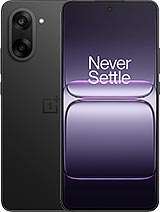
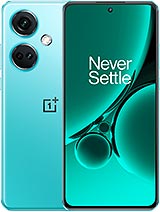
Individual analysis of the main mobile games — the level shows which settings the device can run.
Free Fire
Runs on highThe hardware supports the competitive level, but the 60Hz screen falls short of the 90Hz required for Free Fire.
- 8 GB of RAM — well above the 2 GB minimum for Free Fire.
- Chipset in the high category (Qualcomm MSM8998 Snapdragon 835) — meets the "mid" minimum to run at high.
- AnTuTu 207,072 falls below the 500,000 required to move up to competitive.
- The 60Hz screen falls below the 90Hz required for competitive.
Subway Surfers
Runs competitiveSubway Surfers runs in a competitive setup (high chipset, 60Hz screen) — suitable for esports.
- 8 GB of RAM — well above the 0.768 GB minimum for Subway Surfers.
- Chipset in the high category (Qualcomm MSM8998 Snapdragon 835) — meets the "mid" minimum to run at competitive.
Brawl Stars
Runs competitiveBrawl Stars runs in a competitive setup (high chipset, 60Hz screen) — suitable for esports.
- 8 GB of RAM — well above the 2 GB minimum for Brawl Stars.
- Chipset in the high category (Qualcomm MSM8998 Snapdragon 835) — meets the "high" minimum to run at competitive.
- The 60Hz screen meets the competitive minimum of 60Hz.
Roblox
Runs competitiveRoblox runs in a competitive setup (high chipset, 60Hz screen) — suitable for esports.
- 8 GB of RAM — well above the 1 GB minimum for Roblox.
- Chipset in the high category (Qualcomm MSM8998 Snapdragon 835) — meets the "high" minimum to run at competitive.
EA Sports FC Mobile
Runs competitiveEA Sports FC Mobile runs in a competitive setup (high chipset, 60Hz screen) — suitable for esports.
- 8 GB of RAM — well above the 1 GB minimum for EA Sports FC Mobile.
- Chipset in the high category (Qualcomm MSM8998 Snapdragon 835) — meets the "high" minimum to run at competitive.
- The 60Hz screen meets the competitive minimum of 60Hz.
Call of Duty Mobile
Runs on highCall of Duty Mobile runs on high graphics with room to spare (high chipset).
- 8 GB of RAM — well above the 2 GB minimum for Call of Duty Mobile.
- Chipset in the high category (Qualcomm MSM8998 Snapdragon 835) — meets the "high" minimum to run at high.
- AnTuTu 207,072 falls below the 1,000,000 required to move up to competitive.
- The 60Hz screen falls below the 90Hz required for competitive.
PUBG Mobile
Runs on highPUBG Mobile runs on high graphics with room to spare (high chipset).
- 8 GB of RAM — well above the 2 GB minimum for PUBG Mobile.
- Chipset in the high category (Qualcomm MSM8998 Snapdragon 835) — meets the "high" minimum to run at high.
- AnTuTu 207,072 falls below the 1,400,000 required to move up to competitive.
- The 60Hz screen falls below the 90Hz required for competitive.
Genshin Impact
Runs on mediumGenshin Impact runs on stable medium graphics (high chipset).
- 8 GB of RAM — well above the 4 GB minimum for Genshin Impact.
- Chipset in the high category (Qualcomm MSM8998 Snapdragon 835) — meets the "high" minimum to run at medium.
- AnTuTu 207,072 falls below the 1,000,000 required to move up to high.
Fortnite
Runs on highFortnite runs on high graphics with room to spare (high chipset).
- 8 GB of RAM — well above the 4 GB minimum for Fortnite.
- Chipset in the high category (Qualcomm MSM8998 Snapdragon 835) — meets the "high" minimum to run at high.
- AnTuTu 207,072 falls below the 1,500,000 required to move up to competitive.
Minecraft
Runs competitiveMinecraft runs in a competitive setup (high chipset, 60Hz screen) — suitable for esports.
- 8 GB of RAM — well above the 2 GB minimum for Minecraft.
- Chipset in the high category (Qualcomm MSM8998 Snapdragon 835) — meets the "high" minimum to run at competitive.
Pokémon GO
Runs competitivePokémon GO runs in a competitive setup (high chipset, 60Hz screen) — suitable for esports.
- 8 GB of RAM — well above the 2 GB minimum for Pokémon GO.
- Chipset in the high category (Qualcomm MSM8998 Snapdragon 835) — meets the "high" minimum to run at competitive.
Honkai: Star Rail
Runs on mediumHonkai: Star Rail runs on stable medium graphics (high chipset).
- 8 GB of RAM — well above the 4 GB minimum for Honkai: Star Rail.
- Chipset in the high category (Qualcomm MSM8998 Snapdragon 835) — meets the "high" minimum to run at medium.
- AnTuTu 207,072 falls below the 800,000 required to move up to high.
Honor of Kings
Runs on highThe hardware supports the competitive level, but the 60Hz screen falls short of the 120Hz required for Honor of Kings.
- 8 GB of RAM — well above the 1 GB minimum for Honor of Kings.
- Chipset in the high category (Qualcomm MSM8998 Snapdragon 835) — meets the "mid" minimum to run at high.
- AnTuTu 207,072 falls below the 720,000 required to move up to competitive.
- The 60Hz screen falls below the 120Hz required for competitive.
Habbo
Runs competitiveHabbo runs in a competitive setup (high chipset, 60Hz screen) — suitable for esports.
- 8 GB of RAM — well above the 1 GB minimum for Habbo.
- Chipset in the high category (Qualcomm MSM8998 Snapdragon 835) — meets the "mid" minimum to run at competitive.
Mobile Legends: Bang Bang
Runs on highThe hardware supports the competitive level, but the 60Hz screen falls short of the 90Hz required for Mobile Legends: Bang Bang.
- 8 GB of RAM — well above the 2 GB minimum for Mobile Legends: Bang Bang.
- Chipset in the high category (Qualcomm MSM8998 Snapdragon 835) — meets the "mid" minimum to run at high.
- AnTuTu 207,072 falls below the 800,000 required to move up to competitive.
- The 60Hz screen falls below the 90Hz required for competitive.
League of Legends: Wild Rift
Runs on highLeague of Legends: Wild Rift runs on high graphics with room to spare (high chipset).
- 8 GB of RAM — well above the 3 GB minimum for League of Legends: Wild Rift.
- Chipset in the high category (Qualcomm MSM8998 Snapdragon 835) — meets the "high" minimum to run at high.
- AnTuTu 207,072 falls below the 1,100,000 required to move up to competitive.
- The 60Hz screen falls below the 120Hz required for competitive.
Love and Deepspace
Runs on mediumLove and Deepspace runs on stable medium graphics (high chipset).
- 8 GB of RAM — meets the 6 GB minimum for Love and Deepspace.
- Chipset in the high category (Qualcomm MSM8998 Snapdragon 835) — meets the "high" minimum to run at medium.
- AnTuTu 207,072 falls below the 1,100,000 required to move up to high.
Standoff 2
Runs on highThe hardware supports the competitive level, but the 60Hz screen falls short of the 120Hz required for Standoff 2.
- 8 GB of RAM — well above the 2 GB minimum for Standoff 2.
- Chipset in the high category (Qualcomm MSM8998 Snapdragon 835) — meets the "mid" minimum to run at high.
- AnTuTu 207,072 falls below the 900,000 required to move up to competitive.
- The 60Hz screen falls below the 120Hz required for competitive.
ARK: Ultimate Mobile
Runs on lowARK: Ultimate Mobile runs on low graphics (high chipset) — the game opens, but expect FPS drops in crowded scenes.
- 8 GB of RAM — well above the 4 GB minimum for ARK: Ultimate Mobile.
- Chipset in the high category (Qualcomm MSM8998 Snapdragon 835) — meets the "high" minimum to run at low.
- AnTuTu 207,072 falls below the 900,000 required to move up to medium.
Among Us
Runs competitiveAmong Us runs in a competitive setup (high chipset, 60Hz screen) — suitable for esports.
- 8 GB of RAM — well above the 2.1 GB minimum for Among Us.
- Chipset in the high category (Qualcomm MSM8998 Snapdragon 835) — meets the "mid" minimum to run at competitive.
Stardew Valley
Runs competitiveStardew Valley runs in a competitive setup (high chipset, 60Hz screen) — suitable for esports.
- 8 GB of RAM — well above the 2 GB minimum for Stardew Valley.
- Chipset in the high category (Qualcomm MSM8998 Snapdragon 835) — meets the "mid" minimum to run at competitive.
Wuthering Waves
Runs on mediumWuthering Waves runs on stable medium graphics (high chipset).
- 8 GB of RAM — well above the 4 GB minimum for Wuthering Waves.
- Chipset in the high category (Qualcomm MSM8998 Snapdragon 835) — meets the "high" minimum to run at medium.
- AnTuTu 207,072 falls below the 1,000,000 required to move up to high.
Zenless Zone Zero
Runs on lowZenless Zone Zero runs on low graphics (high chipset) — the game opens, but expect FPS drops in crowded scenes.
- 8 GB of RAM — meets the 8 GB minimum for Zenless Zone Zero.
- Chipset in the high category (Qualcomm MSM8998 Snapdragon 835) — meets the "high" minimum to run at low.
- AnTuTu 207,072 falls below the 900,000 required to move up to medium.
eFootball
Runs on higheFootball runs on high graphics with room to spare (high chipset).
- 8 GB of RAM — well above the 4 GB minimum for eFootball.
- Chipset in the high category (Qualcomm MSM8998 Snapdragon 835) — meets the "high" minimum to run at high.
- AnTuTu 207,072 falls below the 1,000,000 required to move up to competitive.